School of Radical Healing · Fall 2026
The container
is the curriculum.
A small cohort. Twelve weeks. The deep work.
This is not a course. It is a container. A small, intentional group doing the deep work of trauma-informed practice together, led by Adria Moses with guest facilitators who bring their own lived experience and expertise. We meet on Zoom every Sunday.
Enrollment
Open now
Signed book
Enroll by September 1
Enrollment closes
September 20, 2026
Starts
September 27, 2026
Time
Sundays 11am – 1pm EST via Zoom
Container size
8 – 12 people
A welcome from Adria
About the program
This program is for people who are done with surface-level. Who have read the books and taken the trainings and still feel like something essential is missing.
What is missing is usually this: not the knowledge of trauma, but the practice of holding space for it.
We start with the science. The nervous system, the brain, the body that keeps score. Then we go deeper, into somatic practice, into self-regulation and co-regulation, into the embodied work of becoming a person who can hold a room honestly and with care.
The curriculum draws on trauma-informed research, somatic theory, and six years of facilitating this work with a global community. It is intentionally not accredited. Keeping it accessible and outside institutional norms is a core value. Participants receive a certificate of completion.
Investment
Enroll by September 1
Receive a signed copy of Towards What Hurt.
Adria's debut poetry collection, launching September 8, 2026. The book and the cohort arrive in the same season. Enrollment closes September 20.
Sliding scale
$1,000
or 3 payments of $334
For those for whom this is a stretch but a real possibility. Same program, same presence, same certificate.
Enroll — AccessSliding scale
$1,250
or 3 payments of $417
For those with some flexibility but for whom $1,500 feels like a reach. If this is your honest number, it is welcome here.
Enroll — CommunityFull price
$1,500
or 3 payments of $500
If you can pay this without hardship, this is your tier. Your investment makes sliding scale and scholarships possible for others.
Enroll — SustainA limited number of scholarships are available each round.
No one is turned away for lack of funds.
What to expect
Two hours, every Sunday, with a break built in. Every session follows the same shape so the container feels consistent and safe. Sessions are recorded and shared within 24 hours, so if you miss one, you will not miss the content.
01
Grounding · 10 min
A somatic grounding practice. We arrive in our bodies before we arrive in the content.
02
Learning · 45 min
Trauma-informed theory, somatic education, and practical tools in accessible, non-academic language.
03
Dialogue · 45 min
Facilitated conversation. This is where the real learning happens, in the room, with each other.
04
Practice · 15 min
A body-based or reflective close. Something you can take with you and use the next day.
What you leave with
The science of trauma in the body
Nervous system regulation, the brain under stress, and why this knowledge changes how you show up.
Somatic tools for self and others
Body-based practices for regulation and healing. For yourself first, then for the people you hold.
The art of creating safe space
Presence, language, pacing, choice, and repair. The nuanced things that make a room feel safe.
Community and a certificate
A cohort of 8 to 12 people doing the same work, and a certificate that honors what you moved through.
Facilitation team
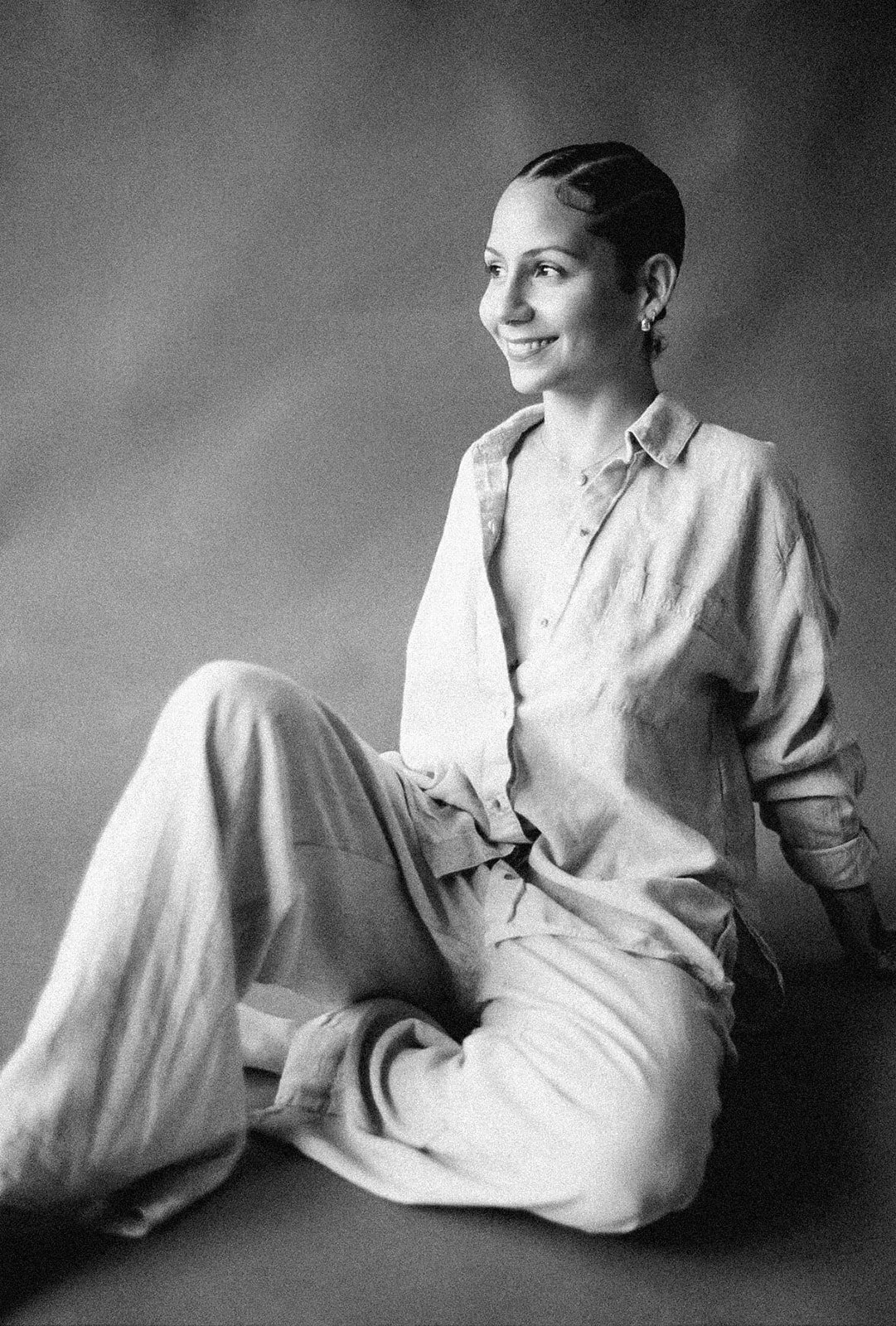
Adria Moses
she/they
Lead facilitator & founder
Founder of SORH. E-RYT 200 yoga guide, trauma-informed facilitator, and writer. Six years leading this program with a global community.
adriamoses.comLeading
Phases One, Two & Four
Foundation, Self, and Love in Action.

Dora Kamau
she/her
Guest facilitator
Lead meditation teacher at Headspace and former psychiatric nurse. Her work lives at the intersection of mental health, healing justice, and contemplative practice.
dorakamau.caOctober 25 · 75 minutes
Before You Hold the Room
Every space we hold begins in the body, in the breath, in the nervous system of the person holding it. What it means to facilitate from the inside out.
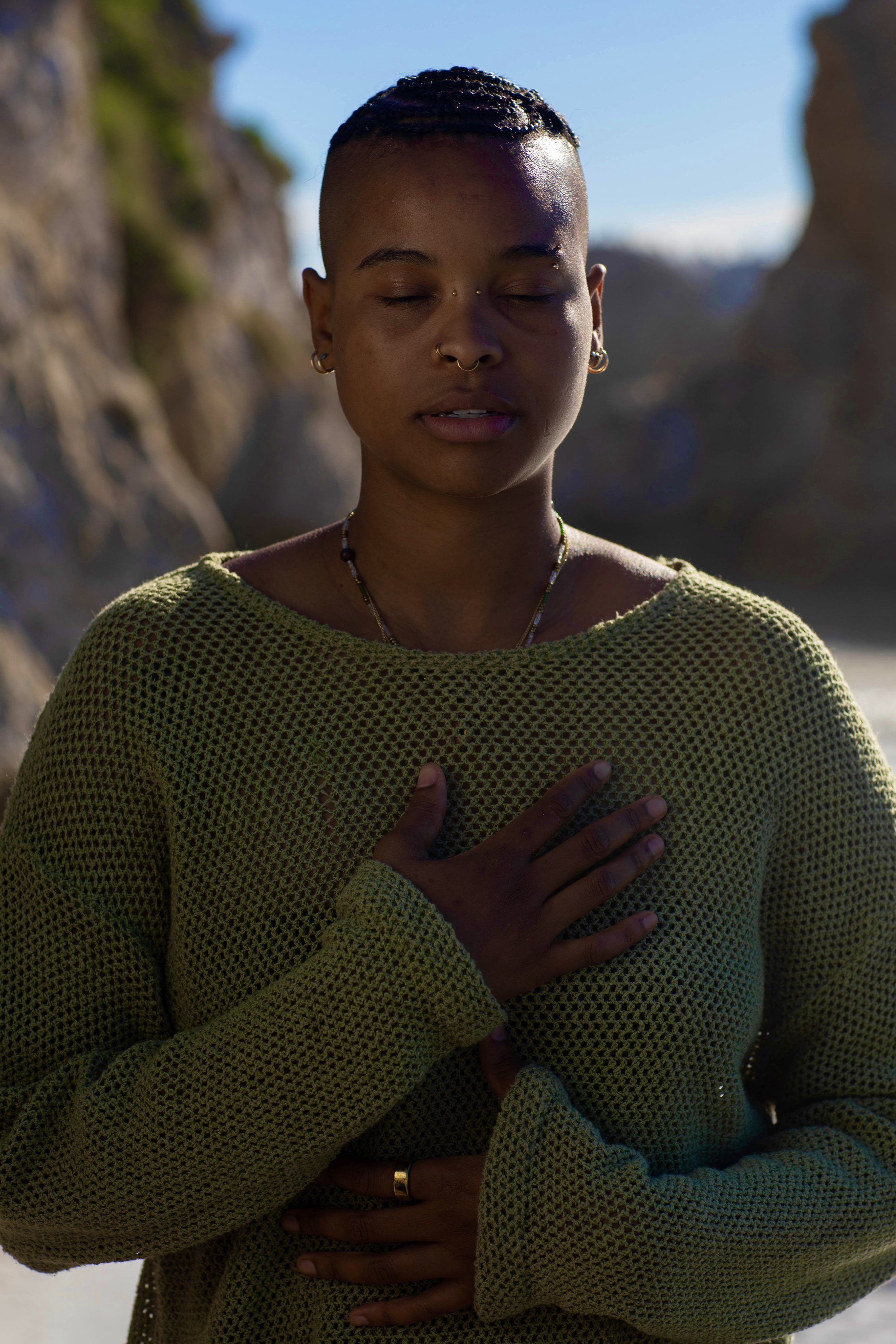
Kwanza Cox-Baker
they/them
Guest facilitator · SORH alumni
An Afro-Caribbean, queer, and non-binary facilitator, yoga teacher, folk herbalist, and therapist trainee in Los Angeles. Committed to decolonizing what it means to be well.
tonixwellness.comNovember 8 · 75 minutes
Queering Your Language
Intersectionality and intentional allyship are about what you say, not only what you mean. How the language we use, and don't use, calls for connection or disconnection.
Training and lineage
Adria teaches from a decade of practice and from the teachers who shaped her.
Teaching yoga. E-RYT 200 registered yoga teacher.
Facilitating. Leading groups, circles, and containers for healing.
Teaching somatics. Body-based practice for regulation and release.
Polyvagal theory and trauma release under Dr. David Berceli, founder of TRE.
Circle keeping and restorative justice. Community accountability practice.
Trauma-informed through the Connection Coalition.
Adria is also a writer and poet. Her debut collection, Towards What Hurt, arrives September 8, 2026, from Radical Healing Press.
Full program schedule
Four phases. Twelve weeks.
All sessions meet Sundays 11am – 1pm EST via Zoom. Guest sessions run 75 minutes.
Phase one · Sessions 1–3
Foundation
September 27 – October 11
Sept 27
Welcome to the Container
Oct 4
The Brain and Nervous System
Oct 11
Why We Lead Trauma-Informed
Phase two · Sessions 4–6
Self
October 18 – November 1
Oct 18
Somatics — The Body as Teacher
Oct 25
Before You Hold the Room Dora Kamau
Nov 1
Self-Regulation and Co-Regulation
Phase three · Sessions 7–9
The Container
November 8 – November 22
Nov 8
Queering Your Language Kwanza Cox-Baker
Nov 15
The Art of Creating Safe Space
Nov 22
Rupture and Repair
Thanksgiving — rest is part of the practice.
November 29 · No session
Phase four · Sessions 10–12
Love in Action
December 6 – December 13
Dec 6
Communication and Community
Dec 13
Integration
Dec 13
Closing Ceremony
What people carry out
"This program has done deep work inside of me and I will forever be grateful. It helped me reevaluate my life with a new lens of compassion, gentleness, grace, and love."
Layla Saad · CEO, Author, Speaker
"The expertise, candor, and intention Adria leads with was respected and appreciated. This amplified my awareness of trauma individually, personally, professionally, and ancestrally."
K. Brown · SORH alumni
"Even if you're not planning on facilitating in a formal setting, taking this course will impact the way you move in the world, and as a result your community."
M. Bessette · SORH alumni
"It felt like a safe container where we could explore and deepen our capacity to facilitate trauma-informed spaces, all while being in community with each other."
E. Kim-Skenderian · SORH alumni
Frequently asked questions
Is this therapy?
No. This is education. SORH is a trauma-informed learning environment, not a therapeutic one. We work with trauma as a lens, not as a treatment modality. If you are currently in crisis or need clinical support, we encourage you to seek that alongside or before joining.
Do I need prior experience?
No. The program meets you where you are. Whether you are new to this work or have years behind you, the curriculum is built to go deeper than what you already know.
Who is this for?
Educators, healers, practitioners, community leaders, and anyone who holds space for others and wants to do it more intentionally. It is BIPOC-centered and survivor-led. People of all backgrounds are welcome and BIPOC participants are prioritized.
What if I miss a session?
Sessions are recorded and shared within 24 hours via a private link. Life happens. Live participation is encouraged because the dialogue is irreplaceable, but the recordings are there to support you.
Is the certificate accredited?
No, and that is intentional. Accreditation often gatekeeps who can participate and what counts as legitimate knowledge. The certificate of completion honors what you have done and learned. It is yours regardless of your academic background.
How do scholarships work?
Applications are accepted on a rolling basis now that enrollment is open. A limited number are available each round. No one is turned away for lack of funds.
Can I pay in installments?
Yes. All three tiers offer a three-payment plan, split evenly across three months. Details are shared during enrollment.
Ready to return?
Enrollment is open now and closes September 20. Enroll by September 1st and receive a signed copy of Towards What Hurt. No one is turned away for lack of funds.
Enroll nowBegins September 27, 2026 · Ends December 13 · 8 – 12 people
Apply for a scholarship