Watched, Not Witnessed
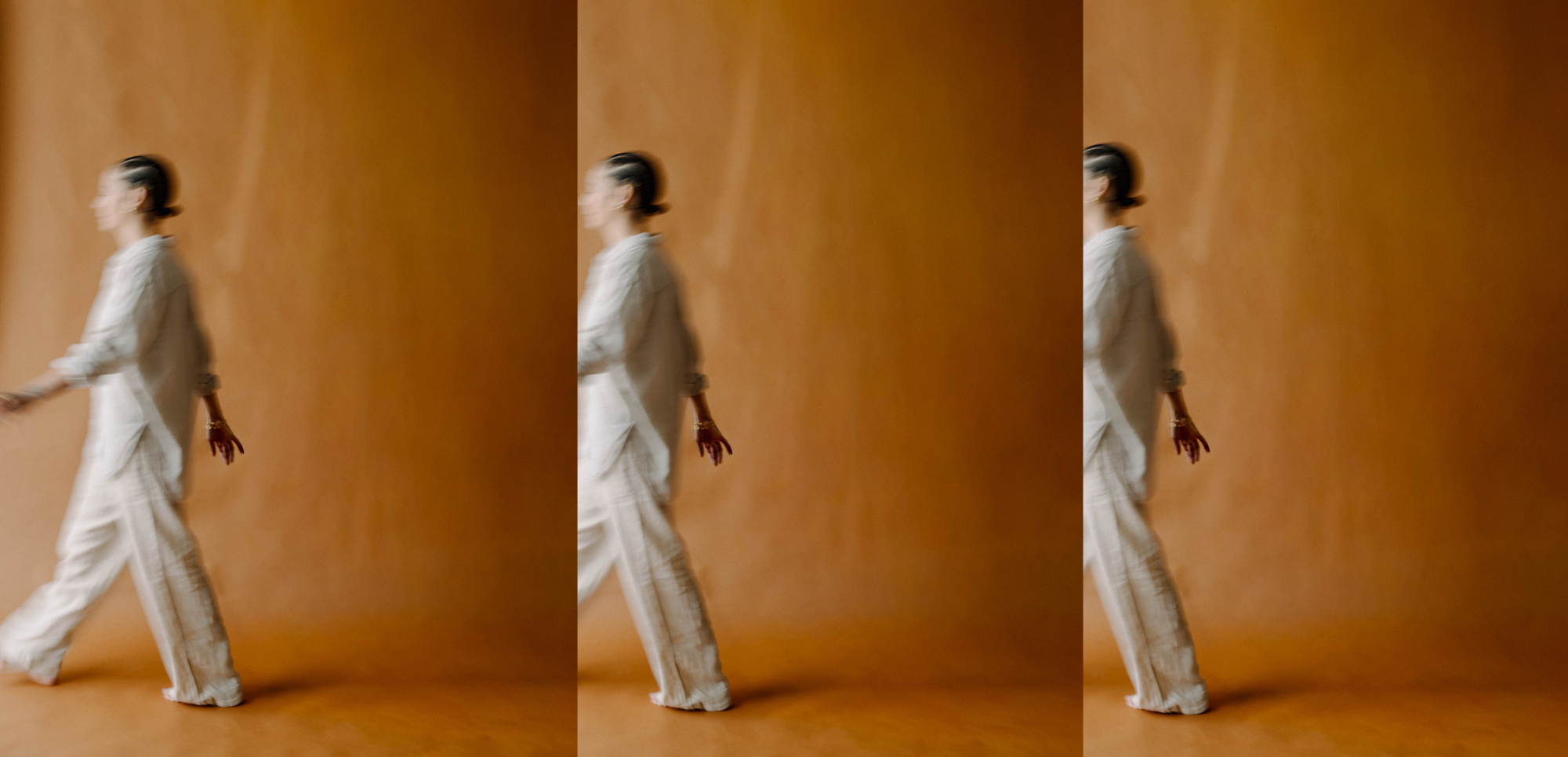
Photo Credit: Justine Castle
I’m back home. I go from the smelly, warm hallway to the cool white walls of my apartment. The door slams behind me. I kick off my shoes; I drop my bag. I use the bathroom and wash my hands.
I am so happy to be home.
I make my way to a seat on the floor, carefully remove my mask, and set it down next to my laptop.
I’m free now.
What comes next is a replay of today’s events in my mind. I go through every uncomfortable interaction to see where I was at fault (someone must be at fault), to see where someone probably had me messed up, and to see where I’m still failing to communicate “properly”.
I was raised by wolves, mind you.
I sift through microaggressions and slowly dress the wounds from a thousand tiny cuts endured throughout the week, hell, the month. I get into the debris of consequences and find myself looking for someone to blame.
Am I avoiding my true feelings? Am I holding an entire court up against a single human interaction? Why am I doing this? Surely, I am not the only one engaging in this… rumination practice. Perhaps it is mental illness. Or the result of years of abuse and neglect. The art of having to master feeling into another and involuntarily responding with aggression, or becoming so small and still, I went undetected. Dissipating into the dissociation that is fawning—giving in to what someone else wanted at the expense of my well-being. And my major one: fleeing the situation altogether.
I’ve learned to do them all, and I am quite good at shape-shifting.
But then there is the burden of saying what needs to be said. What does it mean to be a confrontational person in 2026? Not just in such a polarizing and violent environment, but years away from adaptations formed to help you survive the impossible when you were too small to make choices.
What does it mean to approach life without fear of punishment, misunderstanding, lack of repair? Is it even possible? I think yes. And there is something spiritual about hearing your voice again… or maybe, for the first time.
I’m moving from rumination into transmutation; even as I write this, I am combing through feelings. Laying down the edges of uncertainty. Braiding together how two truths can be true at once. The tightness of this space is not about right and wrong, but about attempting to choose.
When I take radical accountability and responsibility, I come into myself. A greater bond forms, and I find myself willing to have confrontation. Willing to be in relationship on my terms. Willing to be honest even when avoidance gets in the way.
When the voice stops lightening and curving for comfort, a diaphragmatic voice emerges. Embodiment will always overcome the internal practices of white supremacist culture. This unnamed demand to be contained, to feel unproblematic in a world with major problems.
When you go to speak your truth, from your stomach, your base, you’re heard differently. Not just by others, but by your own body.
I’m sensing undertones; I’m reflecting on what wounds taught me about communication here. We start investigating old truths with the biggest microscope and a laser-focused lens.
There is something so viscerally vulnerable about confrontation. It makes me want to crawl out of my own skin sometimes. Even so, there is some inherent danger in choosing to hide too, is there not?
How many times will I come home and take a mask off?
Then there is the confrontation within the confrontation, which asks us to move away from avoidant tendencies toward the exposing nature of honesty—to expose ourselves not only to a lover or friend, but to ourselves—our egos, fragile as glass. Feeling wrong can be debilitating.
To reflect on one’s inner world is to be in touch with humane accountability, something constantly being undermined in front of us. To want for the world what we won’t give to our neighbor, let alone ourselves, is a practice passed down to us that ultimately says: perform peace, but do not live it.
Not all arguments go well. Admittedly, I have my ways about me.
And yet, there is an interdependence that is produced through conflict. Conflict offers clarity if done in mutual agreement that we ultimately want repair. When we withhold, we architect a fantasy world, which I believe is heavily induced by our upbringings, the internet, and the false intimacy that gets promoted through a screen. We perform as if we are being watched and not witnessed.
Bring witnessing back.
Confrontation can feel breaking because it is a rupture on a bridge that is keeping you, me, us, connected to something. Everything is challenging our sense of safety when we are awake. To say the thing that needs to be said is brave. It’s bold to approach. Necessary for others. Painful, clarifying, relieving. I feel safer on the bridge when repair is being done together.
I believe in weathering storms with my Beloveds. Not without respect, honesty, mutuality, presence. In love as action and the willingness to confront—to face truth directly.
To challenge our idea of confrontation. To humbly recognize that harm will happen. We will harm and be harmed. Being in relationship is risky business. We spill the drink of hurt and clean it up together. You grab the towels, I pour us another glass. I wipe the counter, you throw the towels in the wash. We meet in the kitchen and drink.
Who’s worth being honest with?
adria moses · writing
The Letters
Essays on the body, healing, survival, and coming home to yourself. Written from inside the work, not above it.
The monthly column
Still Here
Once a month, a letter from the ongoing work of staying. Still creating, still healing, still building. A space that will one day hold other voices too.
Next letter coming soon"If we are still here, that means change is possible. That love is possible. That care is possible."
All essays